

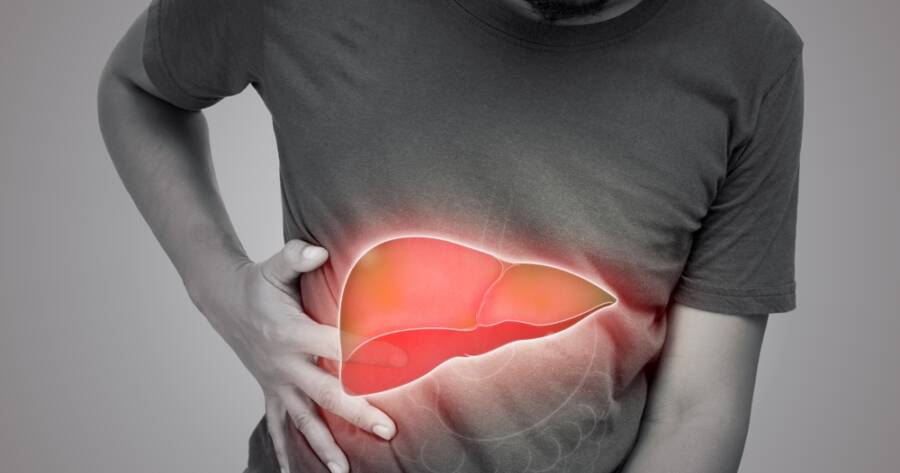
Nonalcoholic Steatohepatitis (NASH) presents a notable health challenge, evolving from a severe form of non-alcoholic fatty liver disease and increasingly recognized globally. It links closely with metabolic conditions like obesity and type 2 diabetes. Understanding NASH’s diverse treatments—from lifestyle changes to emerging pharmacological approaches and surgical options—is crucial to managing complex liver disease effectively.
Understanding NASH and Its Impact
Nonalcoholic Steatohepatitis (NASH) represents a more severe form of non-alcoholic fatty liver disease (NAFLD), which is progressively being recognized as metabolic associated fatty liver disease (MAFLD). This condition involves the accumulation of fat in the liver, accompanied by inflammation and damage that can lead to cirrhosis and liver cancer over time.
NASH development is often influenced by contributing factors such as obesity, type 2 diabetes, and metabolic syndrome, making it a significant public health issue in many countries, including the United States. The classification change of the disease to metabolic dysfunction-associated steatohepatitis (MASH) reflects a modern understanding of the disease.
Lifestyle Changes as a Primary Treatment
The cornerstone of managing NASH involves lifestyle adjustments focusing on diet and exercise. Weight loss is a critical component, with studies suggesting a reduction of 7-10% in body weight to significantly improve liver health and reduce inflammation.
This can be achieved through calorie reduction, regular physical activity, and adopting the Mediterranean diet, which emphasizes fruits, vegetables, whole grains, and healthy fats. Regular exercise, even in simple forms such as walking, substantially benefits liver health, and increasing intensity gradually can amplify results.
Pharmacological Interventions and Surgical Options
Though no specific medication currently targets NASH definitively, several drug therapies are in development. Medications like GLP-1 receptor agonists, such as liraglutide and semaglutide, have shown promise in improving liver enzyme levels and reducing liver fat. However, these often bring side effects that patients need to manage carefully.
Another drug under investigation is resmetirom (Rezdiffra), approved for patients with stage 2 or 3 fibrosis. Additionally, bariatric surgery offers another option, especially when lifestyle changes fall short in cases of severe obesity. While this can effectively improve liver health, it does come with considerable risks and necessitates further examination of long-term impacts.
Exploring Emerging Treatments
Emerging therapies are targeting novel aspects of NASH, such as the regulation of glucose and lipid metabolism, which can help alleviate liver inflammation and fibrosis. These include agents targeting PPAR, FXR, and THR-β pathways, designed to improve liver histology.
The potential of probiotics and prebiotics in altering gut microbiota composition has also been explored, given their influence on inflammation and metabolism. While these therapies show promise, their efficacy is inconsistent across studies, indicating the need for continued research.
The Importance of Regular Monitoring and Diagnosis
Accurate diagnosis of NASH remains challenging. Non-invasive tools aren’t completely reliable, making a liver biopsy necessary in some situations. Persistent transaminase elevations often indicate the need for screening. Once diagnosed, regular monitoring of liver function, along with associated risks such as diabetes and high cholesterol, is crucial to manage the progression of NASH effectively.
Managing Comorbid Conditions and Supportive Measures
Treating related risk factors is essential in NASH management, including controlling diabetes and cholesterol levels. Lifestyle changes to quit smoking and avoid alcohol can support liver health.
Moreover, potential protective roles of vitamin E and regular intake of caffeinated coffee have been suggested as dietary measures to potentially mitigate liver damage, though medical guidance is crucial due to potential side effects from vitamin use.
Learn More About NASH Liver Disease Treatments
As NASH continues to affect a growing number of individuals, understanding the available treatments becomes increasingly critical. With ongoing research, significant strides are being made in developing effective strategies for managing and treating this disease.
Lifestyle modifications remain the cornerstone, but emerging pharmacological interventions and an understanding of the disease’s complex pathogenesis create hope for more comprehensive treatment efforts. Monitoring advancements can empower individuals and healthcare providers to make informed decisions about care, ultimately improving patient outcomes and quality of life.